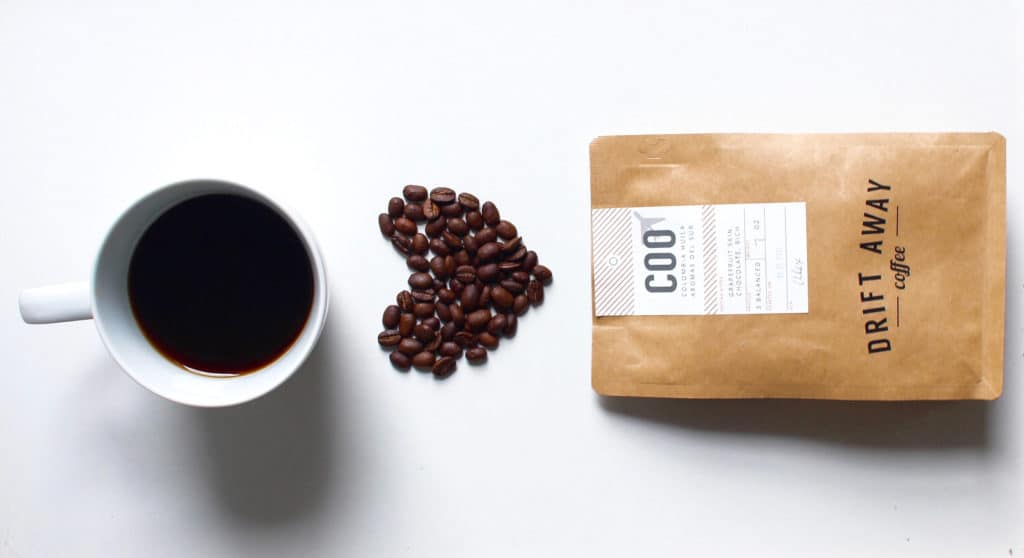
East Africa Blend
Extra Bold Profile | Dark roast
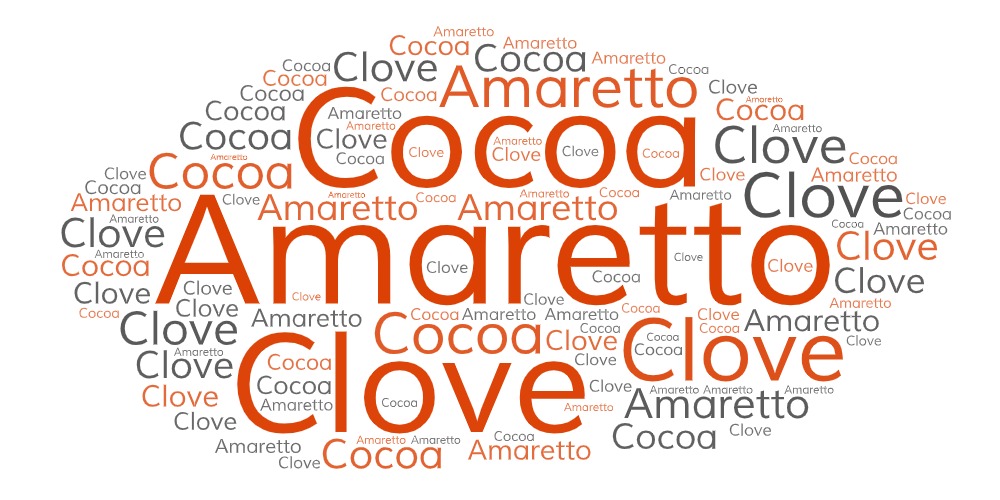
Tasting Notes: Amaretto, Clove, Cocoa
IT ALL STARTS AT THE COFFEE FARM
This coffee is a blend of two amazing coffees:
Rwanda
Of the 48 smallholder members at Kinini Village cooperative, 85% are women farmers. The coop also runs its own washing station where the coffee fruit is delivered, then transformed into the dried seed that we roast. “Kinini” means, literally, ‘this big thing right here’. It is the name of the collaboration of cooperatives seeking to pool their efforts to improve their coffees.
The founding of the Kinini co-op is a story about dreaming a new future, and the determination to make those dreams reality. The project was founded by Rwandan Jacquie Turner and her business partner, Malcolm Clear, who wanted to find a way to have generational impact on communities without having to continually fundraise money for aid projects.
The project began because Jacquie and Malcolm wanted to start a school for children in Eastern Rwanda ten years ago. Driven by the desire to help the children of the genocide, they made that dream a reality. As they got to know that community, they realized that these children needed much more than just education, and consequently, they lobbied the local government and international donors to support the construction of a local pharmacy, micro-finance credit institution, and other services to support the community that supports these children. What these two have accomplished for that community would be more than enough for any of us to hang our hat on and rest on our laurels, but they were not satisfied. Jacquie wanted to do more to help her fellow Rwandans.
Ethiopia
Kayon Mountain Farm, established in 2012 in Ethiopia’s Guji Zone, is a family-owned coffee farm. Located in Taro Kebele, where coffee is the primary cash crop, the farm supports local producers through its Taro washing station.
Beyond coffee production, Kayon Mountain prioritizes social responsibility by having built a local high school, distributing seedlings, aiding farmers financially, and supporting an orphanage. The 150-hectare farm, with fertile volcanic soil, employs 30 permanent and up to 450 seasonal workers. Coffee trees, intercropped with shade-providing false banana trees, yield harvests from October to January.
Taro washing station processes coffees meticulously: for the natural process, cherries are hand-sorted, floated to remove unripe cherries, and sun-dried on raised beds for 15–18 days, with careful turning and covering to ensure even drying. Though challenging, skilled natural processing enhances the coffee’s terroir, yielding sweet, fruity profiles.
Kayon Mountain combines premium coffee production with community development, improving livelihoods while delivering exceptional coffees.


TRACEABILITY
Rulindo, Rwanda
Country: Rwanda
Region: Rulindo
Importer: Crop to Cup
Varietal: Bourbon
Producer: Kinini Village Cooperative
Processing: Natural
Altitude: 1800 - 2200 meters
Mill/Washing Station: Kinini Washing Station
Price Transparency: $7.09 - Price paid by Driftaway; $3.36 - Coffee C-Market price per pound; $0.05 - Driftaway’s World Coffee Research contribution per pound.
Oromia, Guji, Ethiopia
Country: Ethiopia
Region: Oromia, Guji
Importer: Red Fox
Varietal: Ethiopia Landraces
Producer: Several Smallholder Farmers
Processing: Natural
Altitude: 1800 - 2200 meters
Mill/Washing Station: Taro Washing Station
Price Transparency: $5.45 - Price paid by Driftaway; $3.36 - Coffee C-Market price per pound; $0.05 - Driftaway’s World Coffee Research contribution per pound.
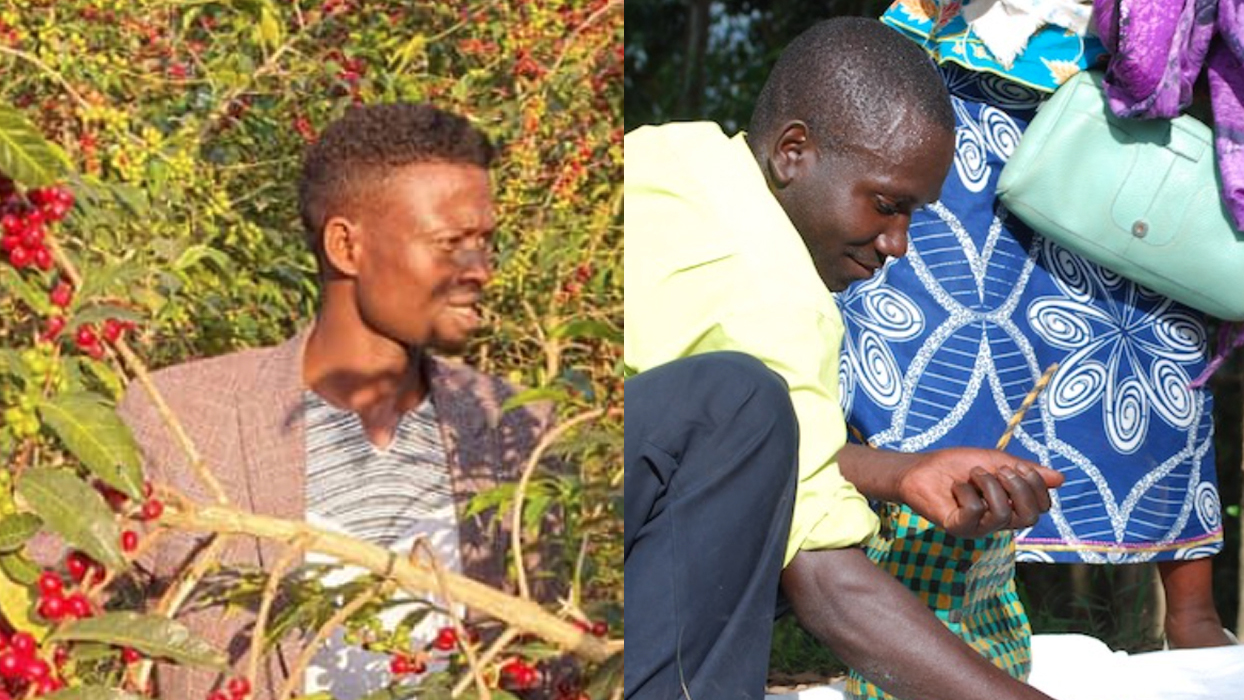
Love the coffee? You can share your compliments & tasting observations with the farmers.
AVERAGE CUPPING SCORE
85.75
/100
85.75
SCAA Cupping Score
100% (in 2023)
Transparent coffees purchased
HOW DID WE ROAST THIS COFFEE?

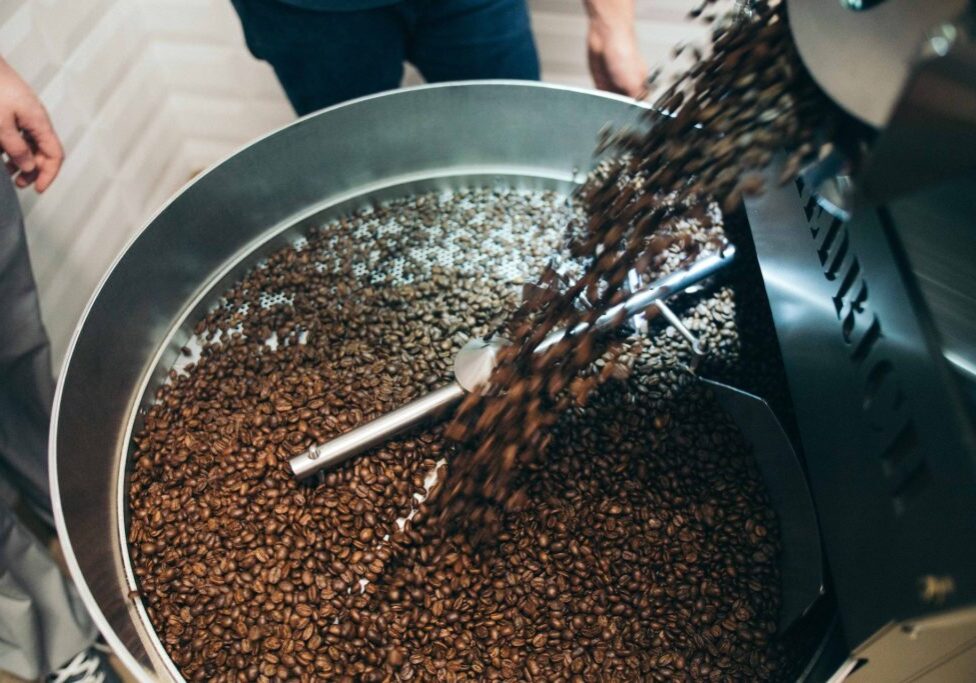
This coffee is being roasted by Ian T. from October 06 to October 30 in Brooklyn. We use the Loring Kestrel roaster for this profile. We have strict guidelines for each of the coffee profiles, and this roast has to pass the development time ratio test as measured in real-time by the roasting software, Cropster. Once it does, it is approved for production.
QUALITY CONTROL
We perform Quality Control via a process of coffee tasting called cupping on all of our production roasts once a week at our roastery in Williamsburg, Brooklyn. Each cupping is conducted by Ian T., Anu M., and Suyog M. using standard equipment, and is logged by our Q-certified cupper Ian T. All coffees are evaluated on a scoring scale of 0 to 3.
- 3.0 = exceptional roast - exceeds expectations
- 2.5 = on par with profile - matches expectations
- 2.0 = good roast, but 1 or 2 elements could be improved - needs improvement
- 1.5 or lower = failed - do not ship
PRODUCTION AND SHIPPING
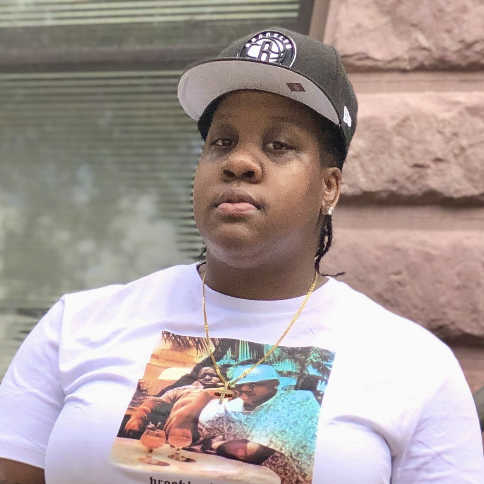
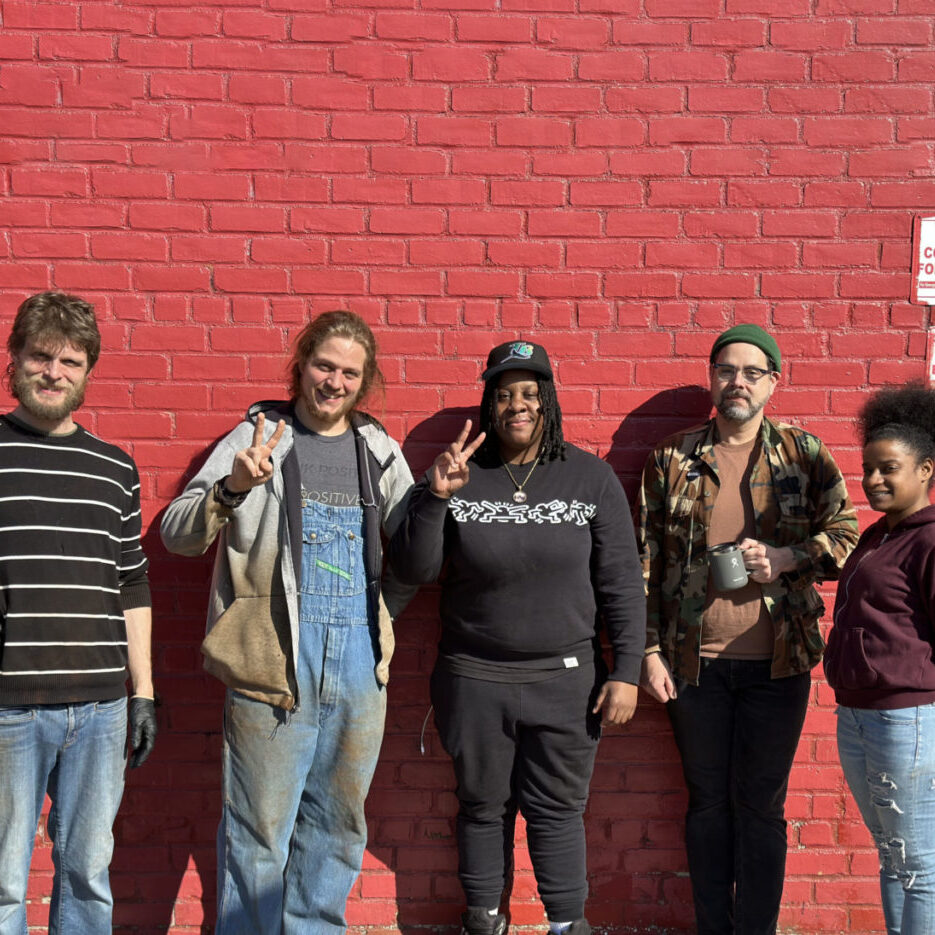
Less than 24 hours after roasting, we bag your coffee in our production facility in Greenpoint, Brooklyn. Our production team is led by Torie, and supported by a rotating cast of local artists, musicians and independent professionals.
AT YOUR HOME
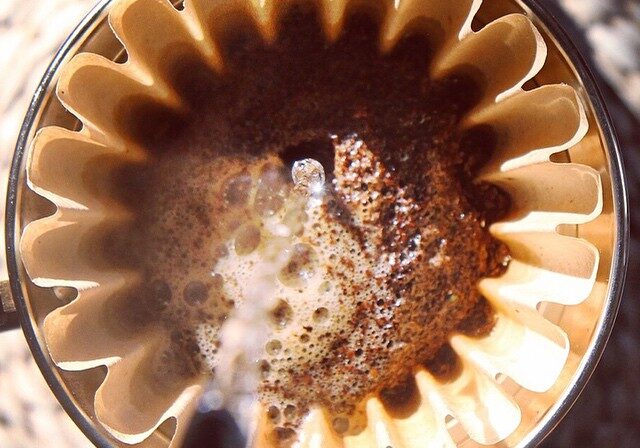
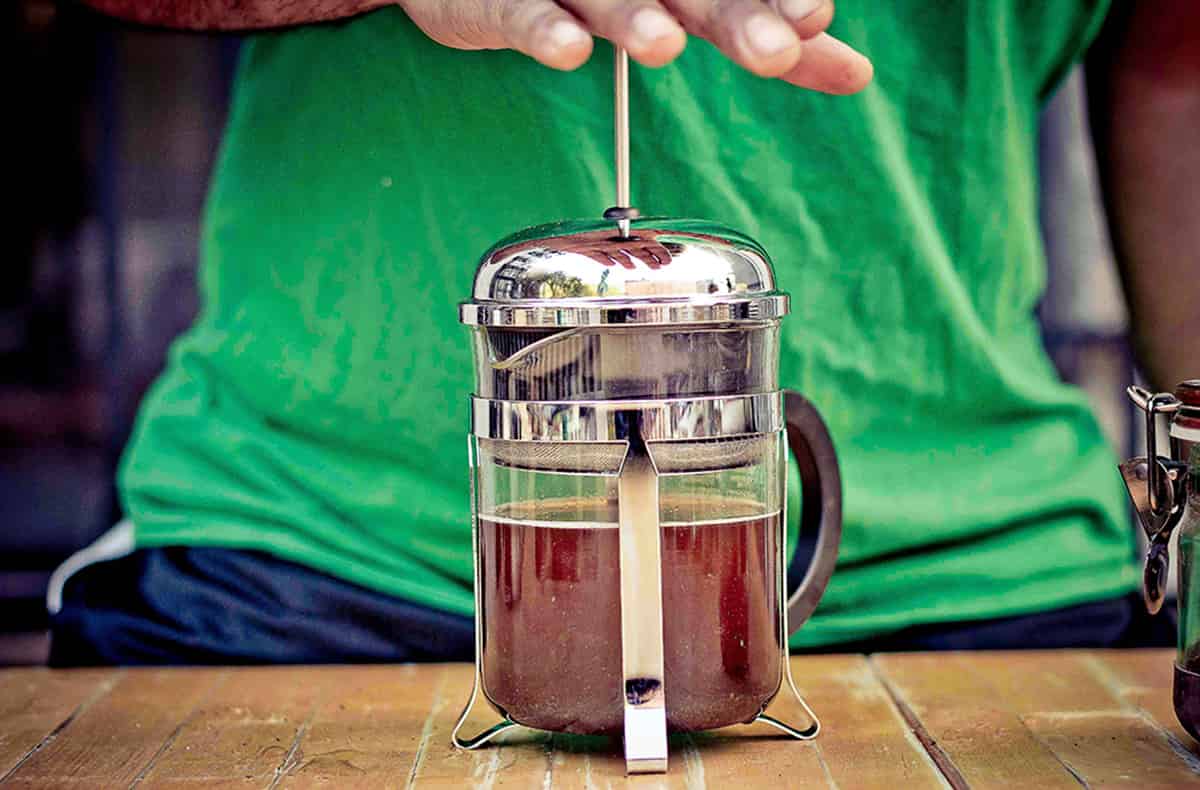
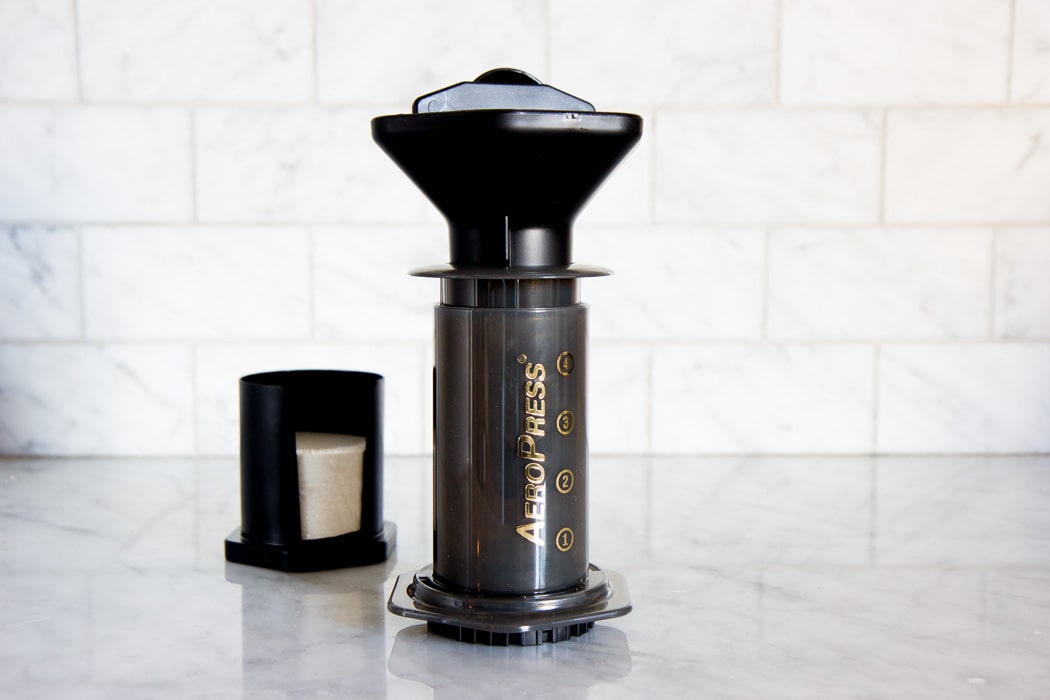
Brew this coffee with your favorite home brewer and enjoy the taste of incredible coffee! Here are a few tips on how to make the best coffee on each brewer.


View other posts about how to make better coffee at home on our blog Coffeecademy.